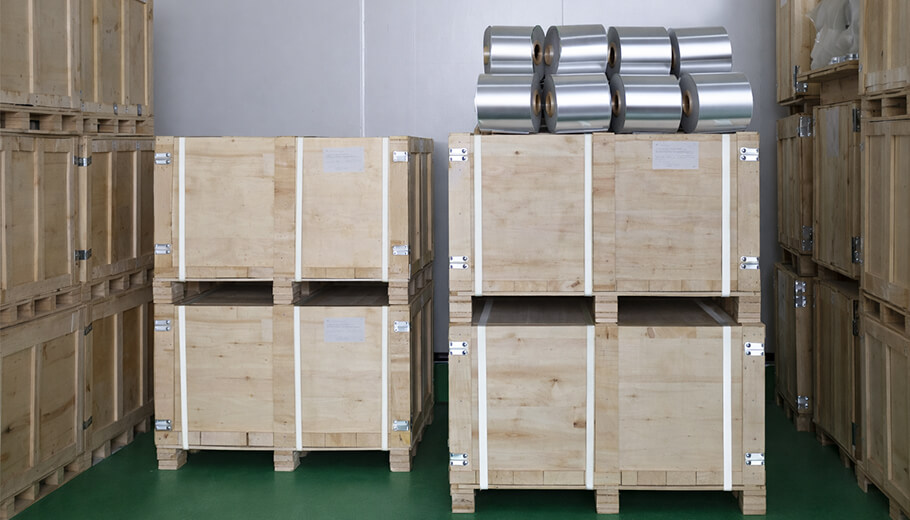
Aluminum Lids Foil for Milk Bottle Seals
Custom Aluminum Foil Roll for Milk Bottle Sealing
In Generally, Our aluminum foil lids are available in two main formats, die-cut pieces and roll form. For milk bottle applications, roll form aluminum foil is commonly used to support high-speed automatic sealing lines. Both foil width and thickness can be fully customized according to your bottle diameter, sealing equipment, and production requirements.
Key Advantages of Aluminum Lidding Foil
1
Superior Barrier Properties
Excellent resistance to moisture, oxygen, and light preserving yogurt freshness and extending shelf life.
2
Excellent Heat-Sealing Performance
Reliable adhesion across various cup substrates ensures leak-proof sealing during automated production.
3
High and Low Temperature Resistance
Performs reliably during cold storage and hot filling processes.
4
Excellent Formability and Strength
Supports precise die-cutting into individual lids of any shape and size.
5
Customizable Branding
Supports high-definition printing with strong ink adhesion.
6
Eco-Friendly and Recyclable
Aluminum foil is recyclable, supporting environmentally responsible packaging strategies.
Key Features of Our Aluminum Foil Lids
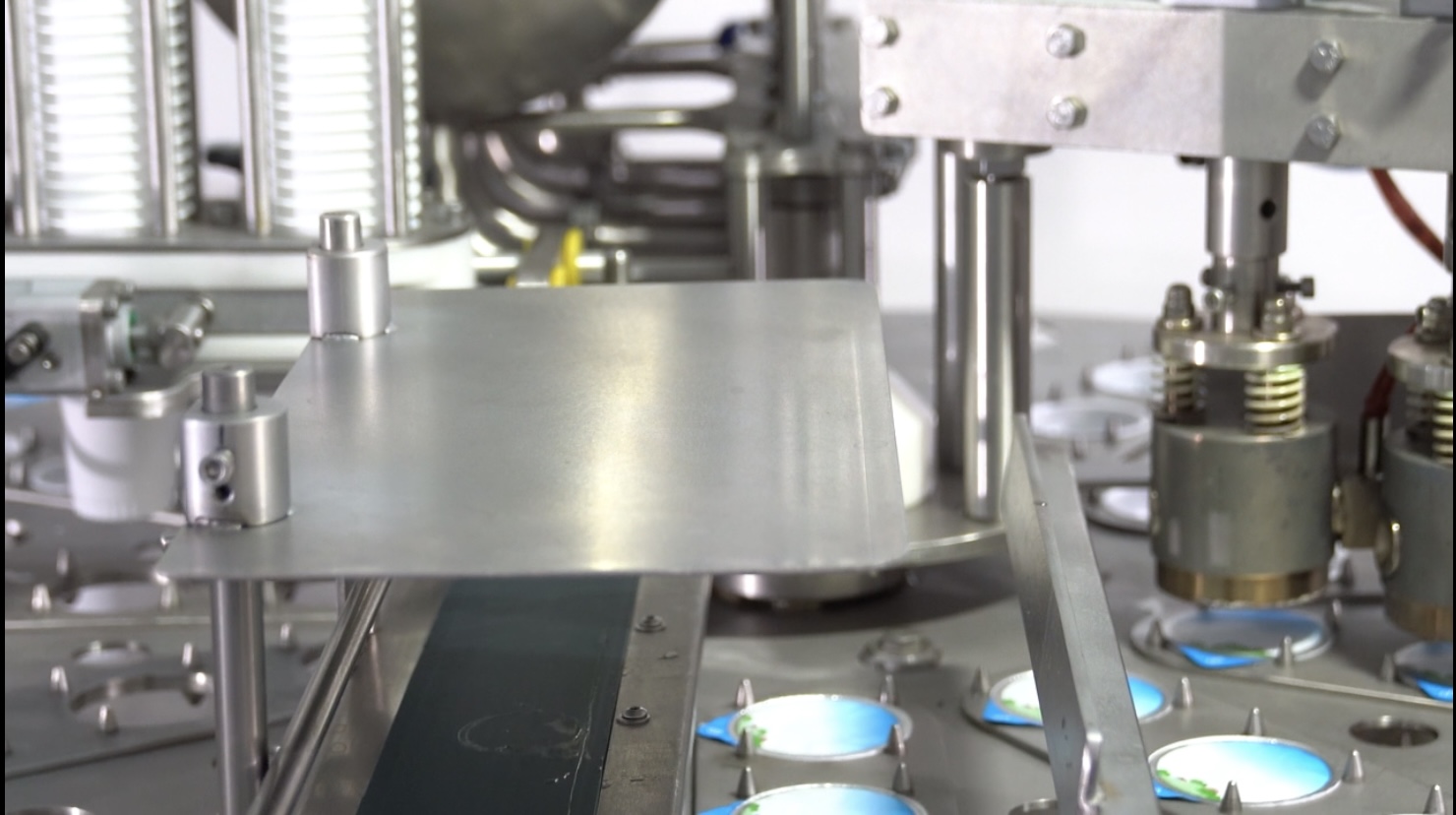
Strong & Stable Heat Seal
mutiple layers compounding aluminum lids provide a strong bond with PP, PS, PET, and paper cups, effectively preventing leakage.
Easy-Peel Performance
Optimized peel strength provides smooth consumer opening without tearing enhancing user experience.
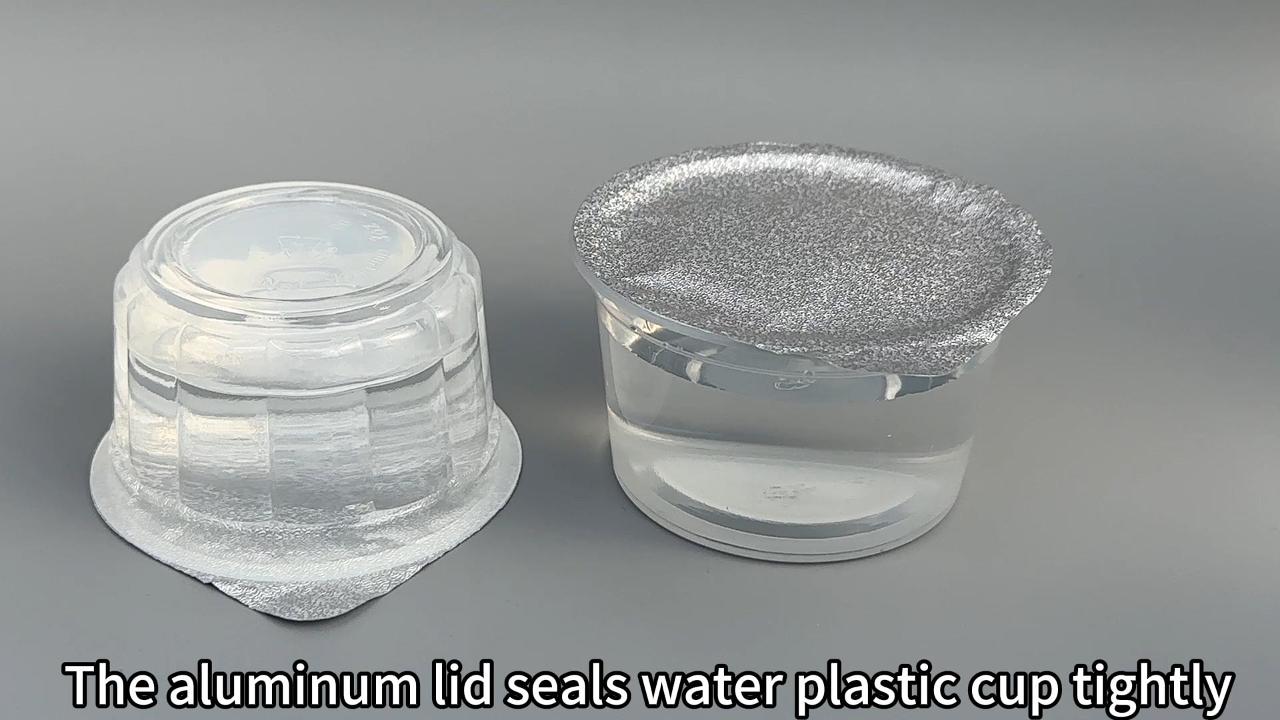
Substrate-Optimized Foil Structures
Different cup materials ask for different lidding structures. We provide customized foil lids constructions tailored to your container type and sealing conditions.
| Polymer Laminated Types | Heat -Sealed Container Types | Glue Coated Types | Heat-Sealed Container Types |
|---|---|---|---|
| OPV/INK/Al/PP Film | PP | OPV/INK/Al/Universal Glue | PP/PS/PET/PE |
| OPV/INK/Al/PE Film | PE/PP | OPV/INK/PS Glue | PS/PET |
| OPV/INK/Al/PS Film | PS | PET/OPV/INK/Al/Universal Glue | PP/PS/PET/PE |
| PET/OPV/INK/Al/PP Film | PP | PET/OPV/INK/Al/PS Glue | PS/PET |
| PET/OPV/INK/Al/PE Film | PE/PP | PET/OPV/AL/Strong Universal Glue | ALUMINUM |
| PET/OPV/INK/Al/PS Film | PS | OPV/INK/AL/strong Universal Glue | ALUMINUM |
Surface Embossing Options
Embossing enhances rigidity, improves handling, and strengthens visual differentiation.Embossing selection depends on product positioning and machine compatibility.
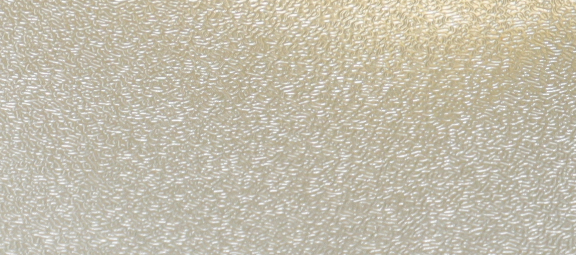
Worm Embossing
Improves structural stiffness and enhances premium texture.
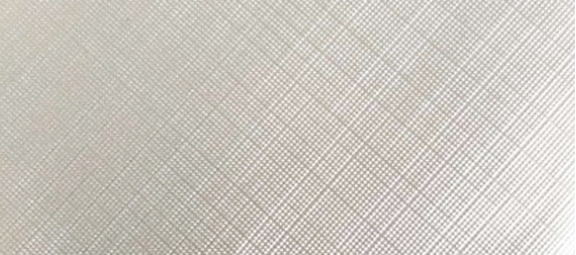
Linen Embossing
Provides a refined surface appearance with enhanced rigidity.
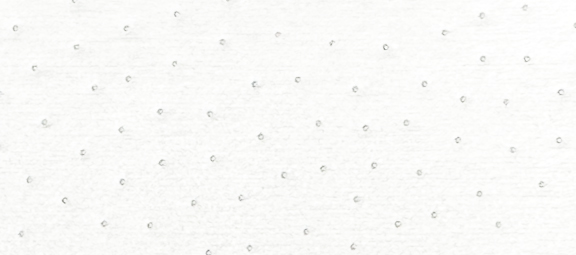
Dot Embossing
Offers balanced stiffness and a simple industrial finish.
Technical Data Sheet Overview
| Item Analysis | Standard | Unit |
|---|---|---|
| Alu Foil Color | Silver | N/A |
| Appearance |
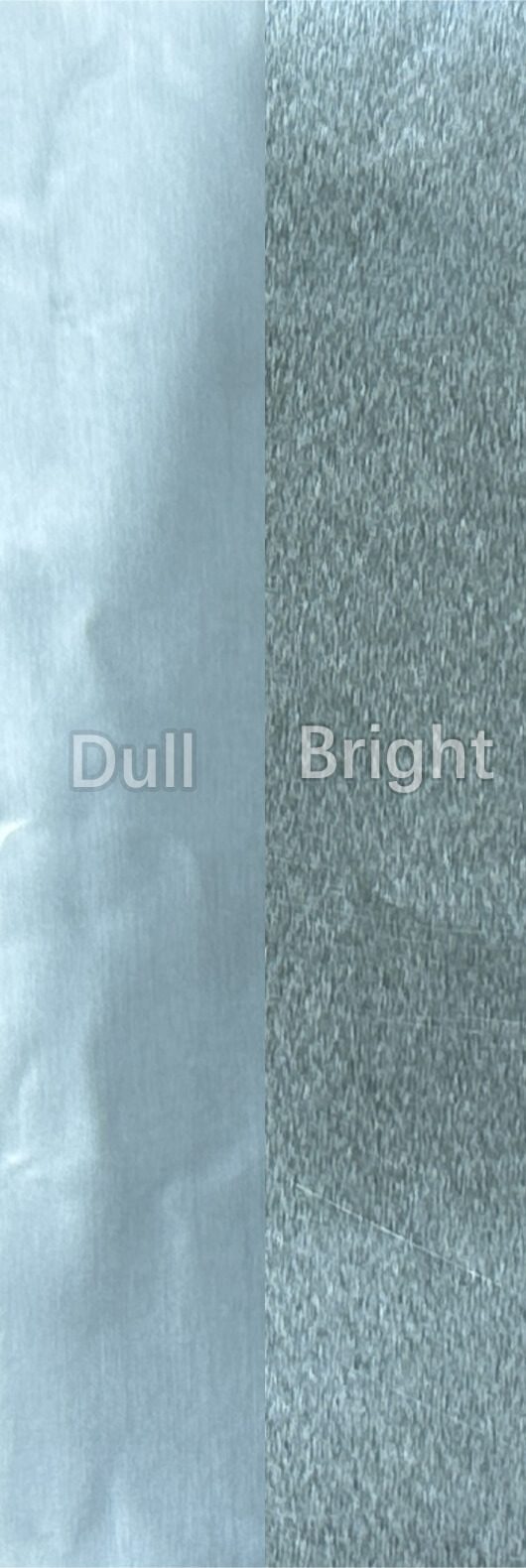
One side bright, another side silver dull Bright side with acrylic based primer for printing, wound outside Dull side, solvent based heat-sealable combi lacquered or polymer film laminated, wound inside |
N/A |
| Printing Quality |
The patterns and texts should be readable and complete The layout placement deviation ≤1mm Overprinting misregistration ≤0.4mm The same color between different batches shall be basically consistent Ink adhesion should be non-peeling |
N/A |
|
Physical Properties Sealing Temperature |
180~220 | Celsius Degree |
|
Physical Properties Sealing Strength |
≥6 | N/15mm |
|
Physical Properties WVTR |
≤0.5 | ㎡.24h |
|
Physical Properties OTR |
≤0.5 | ㎡.24h.0.1Mpa |
| Total Solvent Residue | ≤5 | mg/㎡ |
|
Benzene Solvent Residue |
Not Detected | N/A |
| Shelf-Life | 12 | Months |
| Storage Condition |
No direct sunlight (Keep away from heat sources) Room temperature between15°C - 30°C Maximum relative humidity70% Keep the original packaging |
N/A |
Critical Heat Sealing Performance Factors
Consistent sealing performance depends on proper equipment settings and material compatibility.

Sealing Temperature
Insufficient temperature results in weak adhesion, while excessive heat can damage the lacquer layer.

Dwell Time
Adequate contact time ensures complete bonding between foil and cup rim.
Sealing Pressure
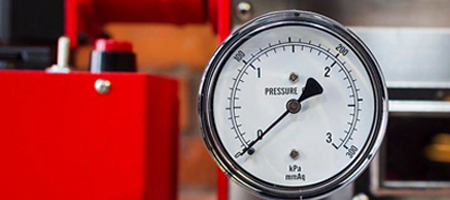
Balanced pressure ensures consistent seal strength without causing deformation

Material Compatibility
Correct foil structure must match cup substrate and machine settings. Our technical team provides guidance to ensure optimal sealing performance.
Core Customizable Components of Foil Lids
Based on our industry experience and previous completed orders, custom aluminum foil lid projects typically involve the following key components: die-cut mould, printing cylinder, embossing roller and raw material customization.In actual production, not every project requires all components to be customized, it depends on clients specific product requirements.
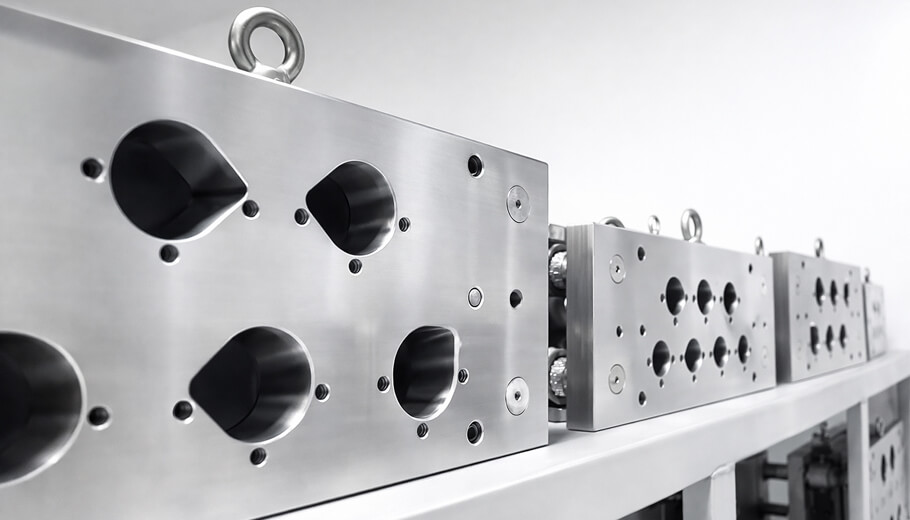
Die-cut mould customization usually applies to pre-cut aluminum foil lids. If the diameter or shape requested by clients does not match the existing mould sizes, a new mould must be developed to meet the exact specifications. Typical mould customization lead time 15–25 straight days. Lead time depends on mould material and machining complexity to ensure perfect dimensional accuracy and shape matching, We strongly recommend providing a physical lid sample. This allows to manufacture the mould with maximum precision.
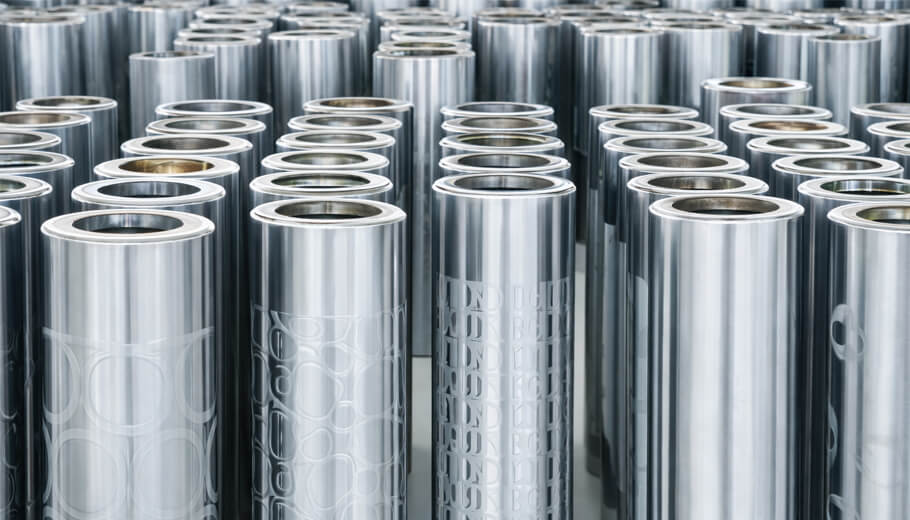
Printing cylinder customization is required for multi-color printed aluminum foil lids. In gravure printing, each color requires a separate printing cylinder. The total number of cylinders depends on the source artwork file provided by the clients. Typical printing cylinder lead time 4–7 straight days. Precise cylinder manufacturing ensures color consistency, accurate registration, and batch-to-batch visual stability.
The most commonly used embossing patterns in the industry include Worm Embossing and Linen Embossing. If customers require a special or unique embossing pattern, embossing roller customization is necessary. To guarantee accurate pattern replication, it is highly recommended to provide a physical lid sample. Typical embossing roller lead time is 20–25 straight days.
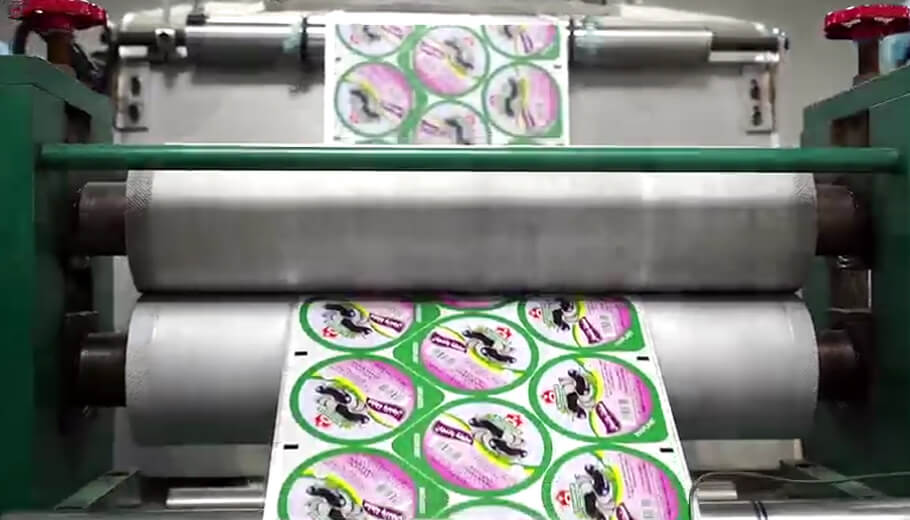
Raw material customization is a critical step in ensuring stable sealing performance and long-term production reliability. The customization of raw materials primarily involves three types aluminum foil, composite plastic film, and adhesives. Aluminum foil raw material selection focuses on three key factor Alloy Grade,The alloy grade determines the softness or hardness of the final foil lid, directly affecting forming behavior, puncture resistance, and overall structural performance. Foil Thickness, Customized according to sealing strength requirements, puncture performance, and machine compatibility. Thickness selection impacts both barrier properties and peel behavior. Foil Width, Material width is adjusted according to die-cut mould dimensions to optimize material utilization. Laminated plastic film customization primarily includes Film Material Type common options include PP, PS, and PE films, selected based on the container substrate. Film Thickness determines bonding strength, flexibility, and overall sealing integrity. Film Width adjusted to match production and mould specifications. Heat-seal adhesive customization based on the cup material and sealing requirements. Different container substrates require specific adhesive formulations to ensure proper bonding strength. For your information, raw material customization lead time is 15~20 straight days normally.